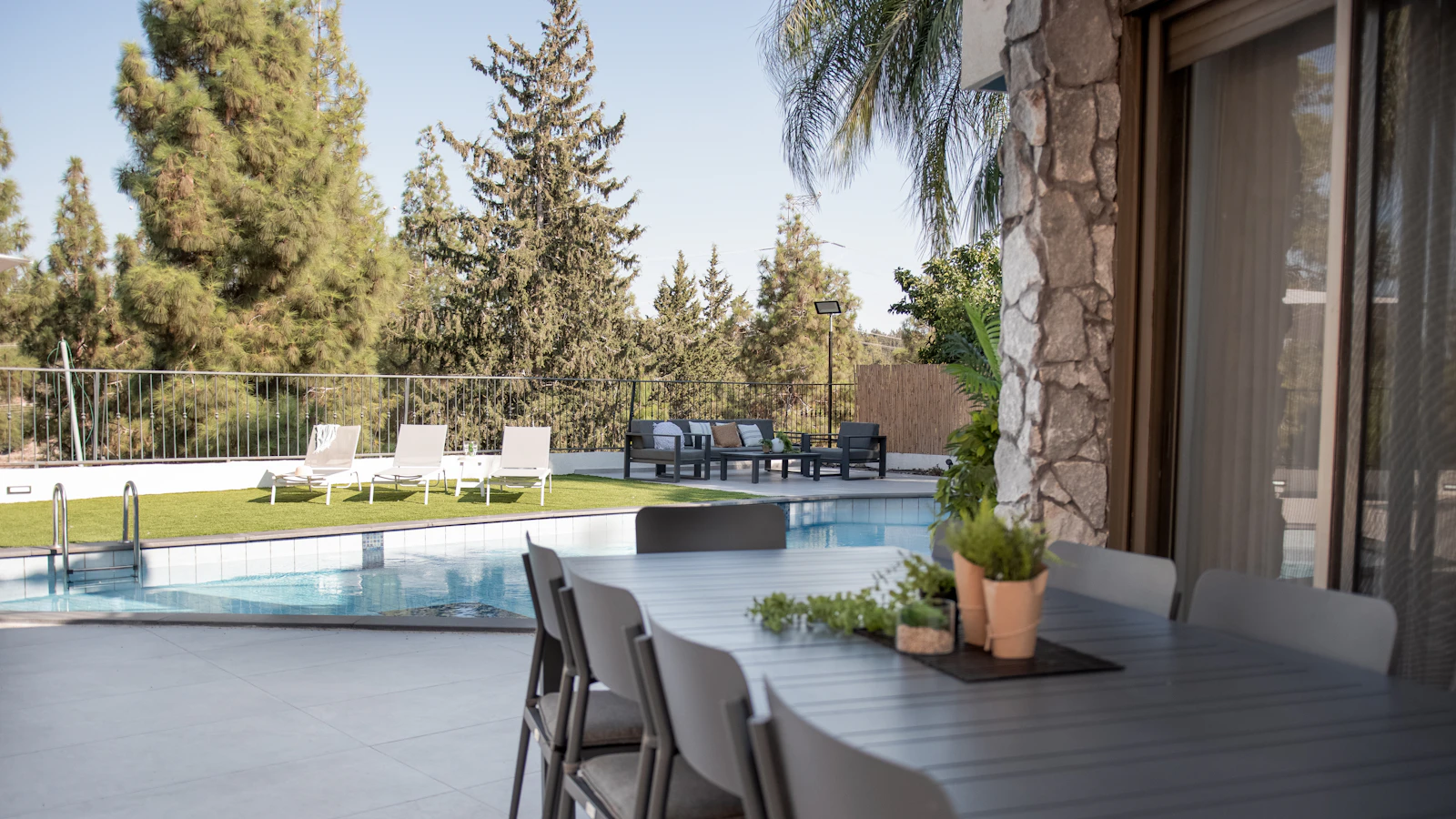
Selling a pool, a deck, a pergola or a full outdoor kitchen is not a one-call sale. A homeowner enquires, has a design conversation, waits for a design, asks for a change, receives a proposal, talks it through with a partner, gets a second quote and, weeks later, signs. Or does not.
The leaks in that journey are rarely dramatic. A proposal goes out on a Thursday and nobody mentions it again. The homeowner is not saying no. They are busy. And so is everyone else.
Why is this kind of sale so easy to lose?
Because the sale takes so long and has so many steps. From our own research into design-build contractors, the typical path runs from first enquiry through design consultation, revisions, proposal, contract, permitting and then construction. Each step is a place where a lead can go quiet.
Add two more facts about the industry. Many firms grew on referrals, which means the pipeline was small enough to hold in someone's head. And the biggest fear homeowners report is not price but process: whether the job will be organised and communicated well. A contractor who goes silent for three weeks after sending a proposal answers that fear in the worst possible way.
What does "going cold" actually look like?
It looks like this:
- A quote sits in someone's sent folder with no date set to follow it up.
- Nobody remembers whether the homeowner was waiting for a design change or for an answer.
- The homeowner contacts you after a month and has to repeat everything.
- You find out they signed with someone else because you saw the truck.
If two of those sound familiar, your problem is not selling. It is remembering.
What is the simplest fix?
A short, boring system. Three parts.
1. Name your stages
Write down the stages a typical job moves through, in your words. As a starting draft: new enquiry, design consultation booked, design presented, proposal sent, contract signed, permits and approvals, in construction, final walkthrough, complete. Your own firm will differ, so change it until it matches how you actually work.
2. Give every lead a next step and a date
Not "follow up sometime". A specific action and a specific day. "Phone about the revised design on Tuesday." The system's whole job is to make sure that day does not pass in silence.
3. Send updates that answer the fear
After a proposal, a short message a few days later is not pushy. It is the process anxiety being answered. A line such as "Here is what happens next and roughly when" does more than another price discussion.
Want this checked on your own site? The free audit covers it, with no obligation.
Do I need a CRM for this?
A CRM is a shared record of every lead, who owns it, and what happens next. Wikipedia has a plain overview if the term is new. You can start with a spreadsheet, and many firms do. The honest test is whether the spreadsheet is keeping up. If leads are missed, two people chase the same one, or only one person understands it, you have outgrown it.
When we built the CRM for BIS, the team had been running deals from spreadsheets. We shaped it around how they actually sell, with role-based access so each consultant sees what they should, and with website enquiries arriving as deals automatically. That kind of access control is built into the database itself, which Supabase explains in its row level security guide. The CRM is still rolling out, a few real leads are coming in consistently, and we are not going to claim a number that we cannot prove.
If you want a CRM shaped around a long outdoor-project pipeline, with stages, appointments and projects tracked properly, our CRM service is built for that.
What about after the job is finished?
The pipeline does not stop at "complete". A finished project is also your best marketing. A satisfied homeowner can leave a review, and Google publishes tips on getting more reviews, including how to ask and what not to do. Ask within days of the final walkthrough while the result is fresh. Then ask whether you can photograph the finished space, because a real project gallery is the strongest trust signal this kind of site can have.
What should I do this week?
- List every open quote you have sent in the last 90 days.
- Against each, write a next step and a date.
- Make that first contact. Be warm, not pushy.
- Choose where this list will live from now on, and put it there.
Do that and you will probably find at least one live opportunity you had written off. If you would like help setting up a proper pipeline, or want to see how a website feeds it, start with the free audit.
Frequently asked questions
How soon should I follow up after sending a proposal?
A few days is reasonable. The exact timing matters less than having a date and keeping it.
How many follow-ups is too many?
Follow-ups that give new information (what happens next, an answer to a question) are never too many. Repeating "just checking in" is.
What if a lead says they are going with someone else?
Thank them, ask what tipped it if they are willing to say, and note it. That answer is the cheapest market research you will get.
Can I automate follow-ups?
Reminders, yes. The message itself should still sound like a person, because for a project this size, it needs to be one.