
Booking platforms are brilliant at one thing: putting your place in front of people who are ready to book. They are less brilliant at telling you who those people are, how to reach them next year, or why they chose you.
That is the real argument for a direct booking channel. It is not "leave the platforms". It is "own at least one door that is yours".
A note on where this advice comes from: it draws on Google's own documentation and on how we build enquiry paths for other businesses. We have not built a booking engine for a stay yet, so we will tell you what we would check, and say where we are not sure.
Why would a stay want direct bookings at all?
Three reasons come up most often.
- Margin. Platforms charge fees. Their pages explain what they charge, and it varies, so look at your own statements and do the sums for your own property.
- The guest relationship. On a platform, the guest belongs to the platform. On your own site and email list, they belong to you. That matters for repeat stays, for slow months and for letting past guests know about a new room.
- Control. Your own page shows what you want, in the order you want, without a competitor's listing appearing beside it.
None of that means platforms are a trap. For most small stays they are the engine. The goal is to add a second one.
Is it allowed to move guests off a platform?
Be careful here. Many platforms have rules about how and when you may encourage guests to book elsewhere. Read the terms of every platform you use before you do anything. The sensible, honest version is simple: your own website is a place where people who already know you, or who find you directly, can book. You are not poaching platform guests mid-conversation.
What does a stay's own website need?
Less than you think, but it needs to do these well.
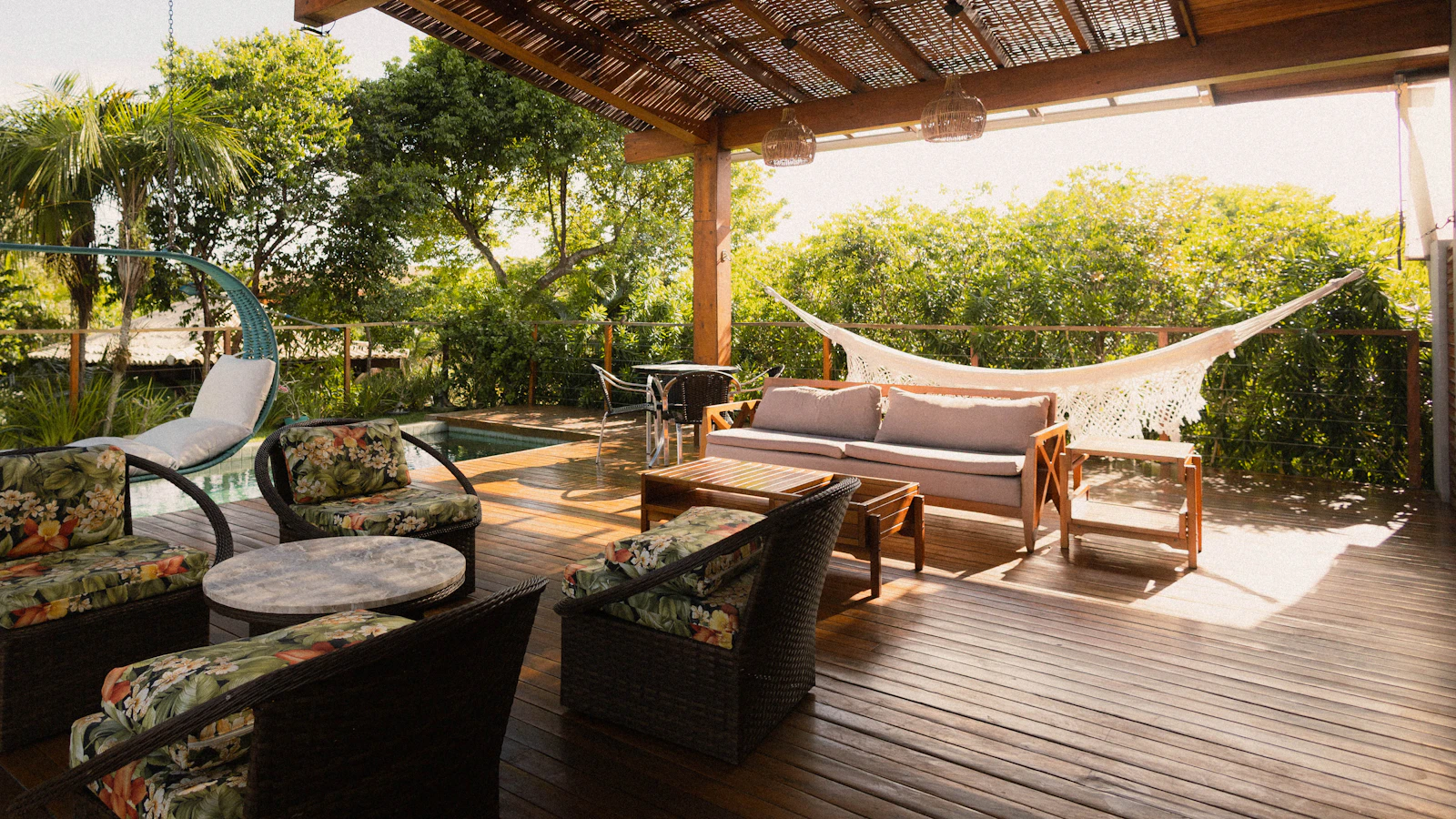
- Beautiful, honest photos of the rooms, the outdoor space and the view, with captions that say what is in the picture.
- Clear rates and availability, or a straightforward enquiry form if you do not have live booking yet.
- The practical answers. Check-in times, parking, pets, what is nearby, what the cancellation terms are.
- Proof from real guests. A few genuine reviews, with permission.
- One obvious next step. Book, or ask.
If your property has a pool, deck or garden you are proud of, give that its own section. Outdoor space sells stays.
How do people find a stay's website?
Through Google, mostly, and increasingly through AI assistants. Three things help.
- A Google Business Profile. Google lists the rules in its guidelines for representing your business. Follow them exactly. A profile that breaks the rules can be suspended.
- Structured data for the property. Google documents a specific vacation rental markup. It has requirements, so read them before you copy anything. This is a job for whoever builds your site.
- Clear, consistent facts. The same name, address and details everywhere you appear. AI assistants and search engines both prefer a business that agrees with itself. Google's page on AI features and your website explains how its newer search features use the same basics.
Want this checked on your own site? The free audit covers it, with no obligation.
What about the email list?
This is where direct bookings turn into repeat bookings. Ask every guest, politely and with their consent, whether they would like to hear about off-season rates or new rooms. Send something worth reading twice a year. A list of two hundred past guests is worth more than it sounds, and nobody can take it away from you.
What does the guest journey look like?
It helps to picture one real guest. A couple searches for somewhere to stay near a wine route. They find three places on a platform, open four tabs, and spend ten minutes looking at photos of terraces. One of the places has a website they found through the map, and its page tells them in two sentences what the room is like, what breakfast includes and whether the dog can come. That page answers the question the platform listing did not, and they enquire directly.
Nothing clever happened. The page was clear, fast and honest, and it was there. That is most of the job.
What should I do first?
If you are starting from zero:
- Claim and complete your Google Business Profile.
- Make a simple one-page site with photos, practical details and an enquiry form.
- Add your site address to every place you appear.
- Start a list of past guests who have agreed to hear from you.
When you want the site to be found more easily, our SEO service and web design service are built for this, and the free audit will show how your current site stacks up. We would rather tell you honestly if all you need is a tidier profile.
Frequently asked questions
Will a direct booking site cost me my platform listings?
Not by itself. Keep your listings, follow each platform's rules and treat the website as an additional door.
Do I need live online booking?
Not at first. An enquiry form that you answer quickly is a perfectly good start. Add live booking when volume justifies it.
How long before a site brings bookings?
It depends on how people find it. Past guests can book the day it is live. Search takes longer, and nobody can honestly promise a timeline.
What if I only have one property?
That is fine. A small, well-made site suits a single property better than a big complicated one.